This is a plain-language overview, not legal advice. Rules vary by province and municipality and can change, so confirm your specific menu and selling model with your local public health authority before you start.
The short version is encouraging: selling home-baked goods legally in Canada is very doable, and several provinces have loosened their rules in recent years. Most bakers need to answer four basic questions before selling.
The line that matters: can it sit on a counter?
Health authorities mostly care about one question: could this food make someone sick after a day at room temperature?
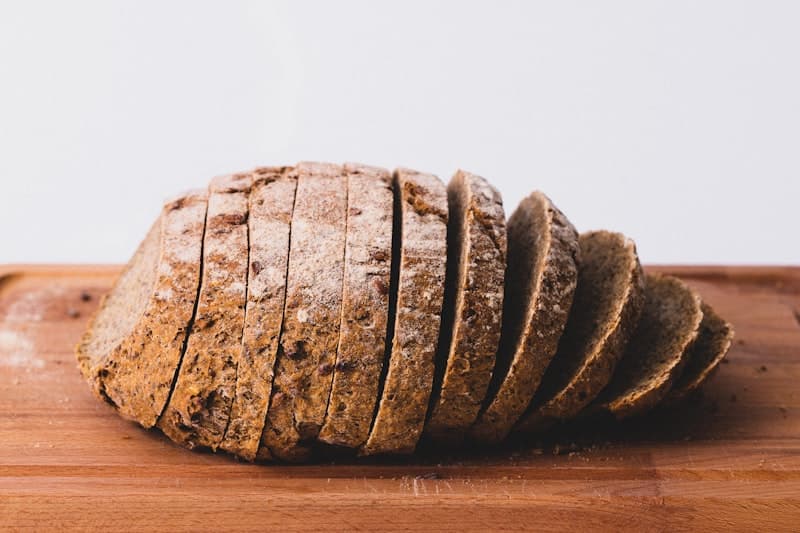
Breads, buns, most cookies, butter tarts, high-sugar jams and granola are "low-risk", and they carry the lightest rules almost everywhere. Anything with cream, custard, cheesecake, fresh fruit fillings that need the fridge, or meat lives on the other side of the line and generally requires an inspected commercial kitchen.
That's one reason many home bakeries begin with shelf-stable breads, cookies and similar products.
Your province is the one that counts
(We keep a plain-language guide for every province and territory, each with the official links — find yours there.)
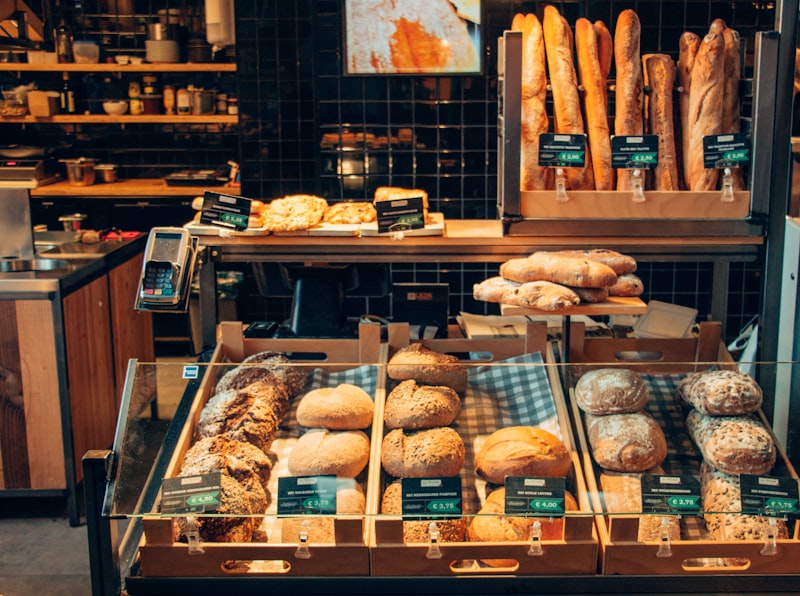
Food rules for home businesses are provincial, sometimes with a municipal layer on top. And they genuinely differ: Ontario is broadly permissive for low-risk foods, Alberta wants you talking to Alberta Health Services first, Quebec generally expects a MAPAQ permit, BC has its own home-prepared food framework. A rule your baker friend in Calgary follows may not exist in Hamilton, and vice versa.
Don't settle it from a blog post, including this one. Search your province's name plus "selling home prepared food" and stick to government and health-authority pages, which are more readable than you'd expect.
What to ask your local health authority
Four questions cover nearly everything. Send them to your local public health unit:
- Can I sell [your actual items] made in my home kitchen?
- Do I need an inspection, a permit, or a food-handler certificate?
- What has to be on my labels — ingredients, allergens, an "uninspected kitchen" notice?
- Any restrictions on how I sell — porch pickup, markets, online pre-orders?
Health units field these questions constantly. You'll usually get a plain answer within a few days, and then you're not wondering anymore.
What to include on your labels
List ingredients in descending order and bold the allergens: wheat, eggs, dairy, nuts, sesame, soy. Some provinces require it, some don't, and it's worth doing everywhere regardless. Customers with allergies remember exactly who makes their lives easy, and they bring friends.
Money, briefly
Real revenue is income, so track it from the first loaf — a spreadsheet is fine. GST/HST registration only becomes mandatory once you pass the small-supplier threshold ($30,000 over four consecutive quarters), Tidy records from day one cost nothing.
Once you've confirmed the rules for your products and location, keep the response from your health authority with your business records.