
You've perfected your favourite recipes, friends and family keep telling you that you should sell your baking, and you're finally ready to turn your hobby into a business.
It's exciting to imagine customers browsing your menu, placing orders online, and picking up freshly baked treats from your home. With online storefront platforms making it easier than ever to accept orders, getting started can feel as simple as uploading a few photos and sharing a link.
But for Canadian home bakers, there's an important step that comes before opening your online store: understanding what you're actually allowed to sell, where you can sell it, and which requirements apply to your business.
Canada doesn't have one set of home baking rules that applies to everyone. Requirements vary depending on your province, municipality, the foods you're making, and how you plan to sell them.
Before you open your online bakery storefront, here are some important things to consider.
Home baking rules aren't the same across Canada
One of the biggest misconceptions about starting a home bakery in Canada is that the rules are the same everywhere.
They're not.
Depending on where you live, you may be able to prepare certain foods in your home kitchen, while other products or sales activities may require an inspected or approved commercial kitchen.
Provincial food safety rules are only part of the picture. Your local public health authority and municipality may also have requirements that affect your business.
This is why advice from another home baker on social media isn't always reliable. What works for someone selling cookies in Ontario may not be permitted in the same way for a baker in British Columbia or Alberta.
Before investing in packaging, advertising, or an online ordering system, it's important to understand the requirements that apply specifically to your location and business plans.
Home Bakery Business Canada was created to help Canadian bakers navigate these differences and find the information and resources they need to prepare for selling.
What are you planning to bake and sell?
Not every baked product is treated the same under food safety regulations.
A simple cookie and a cream-filled pastry may look equally appealing on your bakery menu, but they can have very different food safety considerations.
Some baked goods are considered lower risk because they don't require refrigeration for safety. Others contain ingredients or fillings that may need temperature control or additional food safety measures.
The important thing is that being homemade, baked, or sold in small quantities doesn't automatically mean a product is permitted under the rules for your kitchen.
This is something to think about before creating your online menu.
Imagine spending hours photographing a beautiful selection of cheesecakes, cream-filled cupcakes, and pastries, only to discover that your current kitchen setup isn't approved for producing some of those products for sale.
Understanding the requirements first can save you time, money, and disappointment.
Your menu should be built around both what you love to bake and what you're permitted to produce.

Where can you sell your baking — and who can you sell to?
This is one of the most important questions to answer before opening an online bakery storefront.
Being permitted to sell baked goods from home doesn't necessarily mean you can sell them anywhere or through every sales channel.
For example, some rules or approvals may allow certain foods to be sold at farmers' markets but place different conditions on direct sales, home pickup, delivery, or online ordering.
You also need to consider where your customers are located.
Selling beyond your province
An online storefront can make your products visible to customers across Canada. But receiving an order from another province isn't necessarily the same as being permitted to fulfil it.
Food sold or shipped across provincial borders may be subject to additional federal requirements under the Safe Food for Canadians Act and Regulations, including licensing requirements depending on the activities involved and any applicable exceptions.
Shipping also brings practical food safety considerations, such as packaging, temperature control, transit time, and maintaining product quality.
Even if a product is shelf-stable, that doesn't automatically mean you can ship it anywhere in Canada without considering the applicable rules.
Before offering shipping or delivery beyond your usual selling area, make sure you understand which destinations and sales methods are appropriate for your business.
Your online storefront should reflect the ways you're actually permitted to sell, rather than assuming every available ordering option is suitable for your bakery.
Don't overlook food labelling
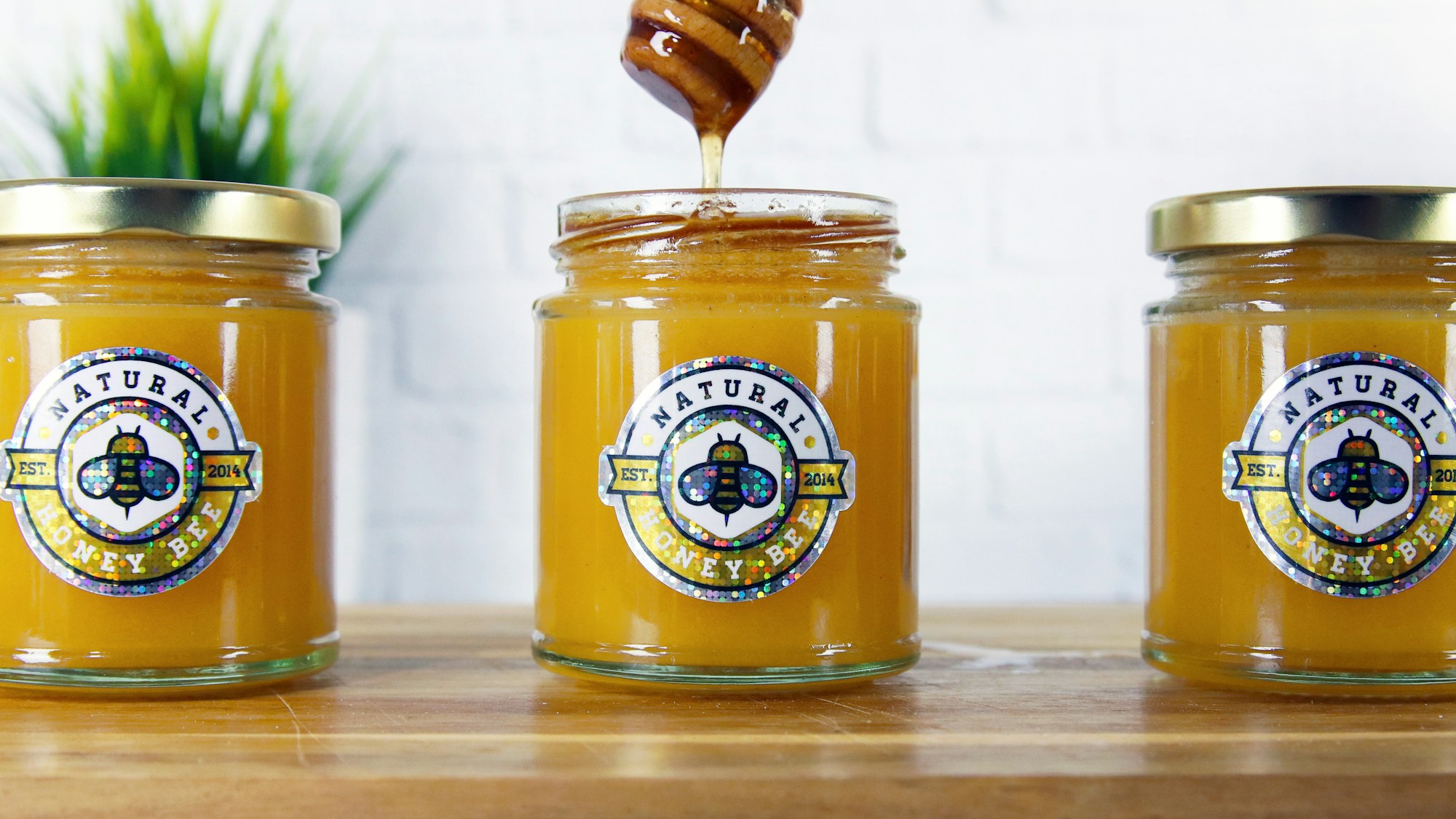
Packaging is one of the fun parts of creating a bakery brand. Choosing boxes, stickers, ribbons, and labels can help turn homemade baking into a professional-looking product.
But food labels aren't just about making your packaging look attractive.
Canadian food labelling requirements can include information such as product identification, ingredients, allergens, and other details, depending on the product and how it's packaged and sold. Some exemptions may apply, so it's important to determine which requirements affect your products.
For home bakers, this is especially important when selling packaged products that customers will take home or give to someone else.
You may have a beautiful logo and a perfectly coordinated box, but that doesn't necessarily mean your packaging meets the applicable requirements.
If you're unsure where to start, Home Bakery Business Canada has a free article on Canadian home bakery labelling requirements that explains what bakers should be aware of when preparing labels for their products.
Getting familiar with these expectations early also makes it easier to plan your packaging before you start accepting orders.
Think about the business side before opening orders
Once you've looked into the food safety and selling requirements, there are still some business decisions worth making before you launch.
For example, have you considered whether your municipality requires a business licence? Have you looked into insurance, recordkeeping, or how you'll track your baking expenses and sales?
These details might not be as exciting as designing your first menu, but they're part of building a business that can grow beyond a few occasional orders.
Pricing deserves attention too.
It's easy to look at the cost of flour, butter, and sugar and assume the difference between those ingredients and your selling price is profit. But packaging, payment processing fees, utilities, and your time can all affect what you actually earn.
The goal isn't to have every possible business system perfected before your first sale. It's to understand the responsibilities that come with selling your baking and avoid preventable surprises.
For bakers who want everything organized in one place, Home Bakery Business Canada's Complete Bundle includes the Ready to Sell course, province-specific compliance checklists, and practical business tools designed for Canadian home bakers.

Now you're ready to think about your online storefront
Once you've established what you're permitted to sell and how customers can purchase from you, an online storefront can make the ordering process much easier.
Social media is a great way to showcase your baking and attract customers. But accepting orders through a combination of direct messages, comments, and text messages can quickly become difficult to manage.
A dedicated storefront gives customers one place to see your available products, understand how ordering works, and complete their purchases.
For Canadian bakers who sell through scheduled preorders, OurCakewalk is a recommended platform designed specifically for Canadian home bakers, microbakeries, and food pop-ups. It allows bakers to create their own branded storefront and open preorder drops with a set menu, limited quantities, and scheduled pickup windows.
Customers can browse available products, place orders, and pay upfront through Stripe. Once ordering closes, bakers have their orders organized in one place and know exactly what they need to prepare.
Another helpful feature is the ability for customers to subscribe to a baker's storefront. Subscribers automatically receive a text notification when a new preorder drop opens, making it easier to reach previous and interested customers without relying entirely on social media.
OurCakewalk is free for bakers to set up and use, with no monthly subscription fees. A service fee of 5% + $0.55 per order is paid by customers, unless the baker chooses to cover it instead. Bakers must complete their Stripe payment setup, including providing the required banking information, before accepting orders.
Instead of trying to keep track of every order through social media messages, you can spend more of your time doing what you enjoy: baking.
Of course, an online platform doesn't replace the responsibility to understand and follow the food safety and business requirements that apply to your bakery.
The two go hand in hand.
Build your bakery on a strong foundation
Starting a home bakery is about more than making delicious treats. It's about turning something you love into a business that works for you and your customers.
Before opening your online storefront, take the time to understand the rules for your location, the products you're allowed to make, where and to whom you can sell, and the responsibilities that come with running a food business.
You don't need to figure everything out through trial and error, and you don't need to rush into accepting orders before you're prepared.
With the right information and tools, you can approach your first sale with greater confidence.
Start with the requirements. Build your business foundation. Then open your storefront and share your baking with your customers.
About the author
Janelle Wallace is the founder of Home Bakery Business Canada, an educational website offering courses, resources, and practical tools to help Canadians navigate the process of starting and running a home bakery.